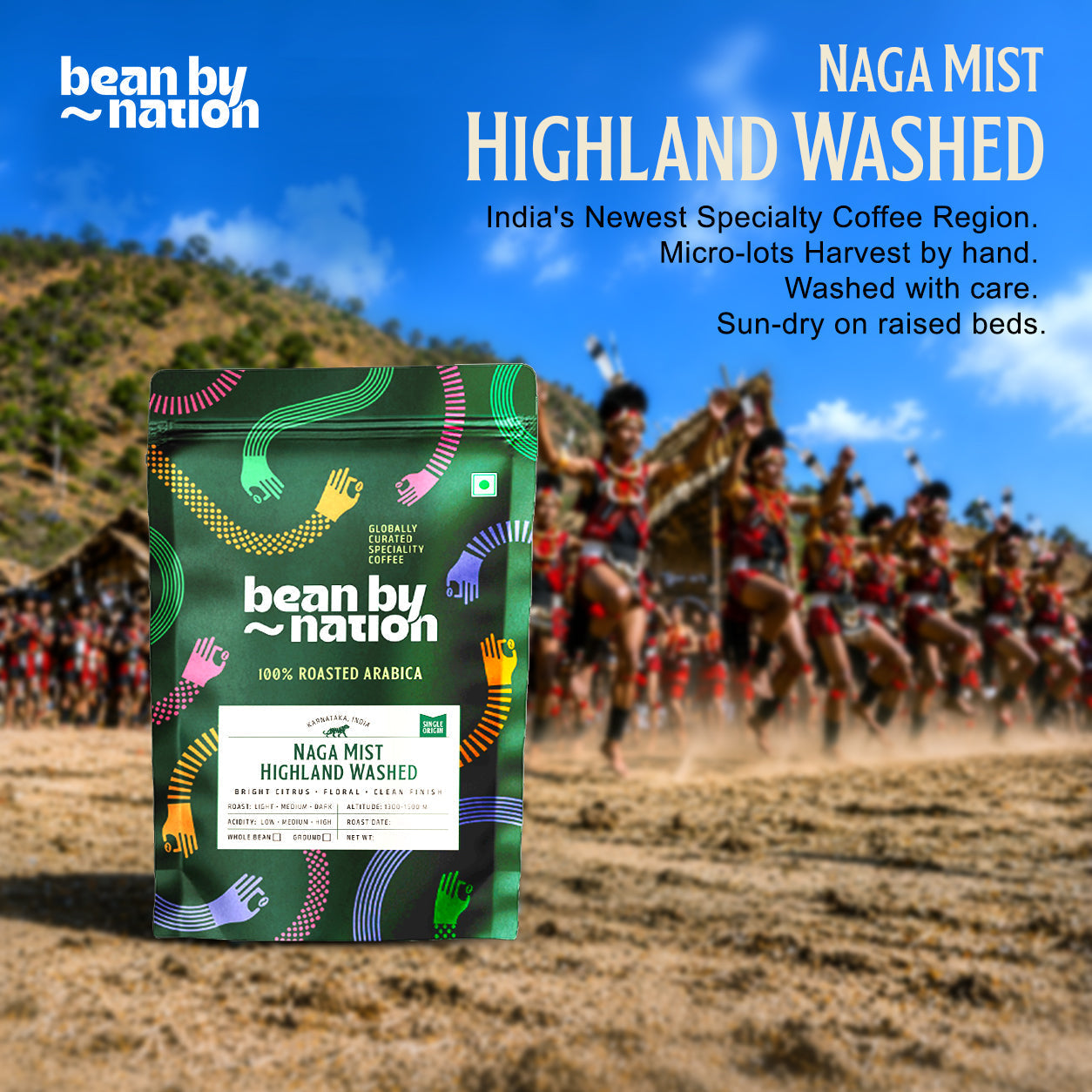
Every cup of coffee tells a story—one that begins long before the aroma reaches your mug. From remote mountain farms to careful roasting and brewing, the journey of a coffee bean is complex, detailed, and deeply human. Understanding this process not only enhances appreciation but also helps you choose better coffee.
Let’s explore the complete journey of coffee beans, from farm to cup.
1. Coffee Farming: Where It All Begins
Coffee begins its life as a small red fruit called a coffee cherry. Coffee plants grow best in tropical regions near the equator, often referred to as the Coffee Belt.
Ideal Growing Conditions
-
Warm temperatures (15–24°C)
-
Rich, well-drained soil
-
Consistent rainfall
-
High altitudes for premium beans
Most high-quality coffee is grown by small farmers who carefully nurture each plant over several years before it produces fruit.
2. Harvesting Coffee Cherries
Coffee cherries take about 7–9 months to ripen after flowering. Timing is critical—only ripe cherries produce the best flavor.
Harvesting Methods
-
Hand picking: Ensures only ripe cherries are selected (used for specialty coffee)
-
Strip picking: Faster but collects unripe cherries as well
Hand-picked coffee is more labor-intensive but results in higher quality beans.
3. Processing: Turning Cherries into Beans
Once harvested, coffee cherries must be processed quickly to prevent spoilage. Processing has a major impact on flavor and aroma.
Common Processing Methods
Washed (Wet Process)
-
Removes fruit before drying
-
Produces clean, bright flavors
-
Highlights acidity
Natural (Dry Process)
-
Cherries dry with fruit intact
-
Results in fruity, wine-like notes
-
Adds sweetness and body
Honey Process
-
Partial fruit removal
-
Balanced sweetness and acidity
Each method creates a distinct flavor profile, even from the same coffee farm.
4. Drying and Milling
After processing, coffee beans—now called green beans—must be dried to reduce moisture content.
Drying Methods
-
Sun-drying on patios or raised beds
-
Mechanical dryers for consistency
Once dried, beans are milled to remove remaining layers and sorted by size and quality. Defective beans are removed to ensure consistency.
5. Exporting and Quality Control
Before export, green coffee beans are:
-
Sampled
-
Graded
-
Cupped (tasted) by professionals
Only beans that meet quality standards move forward. These beans are packed and shipped worldwide to roasters.
6. Roasting: Where Flavor Comes Alive
Roasting is one of the most important steps in the coffee journey. Green beans are transformed into aromatic coffee through heat.
Roast Levels
Light Roast
-
Bright acidity
-
Preserves origin flavors
-
Ideal for pour-over
Medium Roast
-
Balanced flavor
-
Smooth body
-
Popular for everyday coffee
Dark Roast
-
Bold, smoky taste
-
Low acidity
-
Preferred for espresso
Roasting determines how sugars and acids develop, shaping the final taste.
7. Grinding: Preparing for Brewing
Grinding coffee releases aroma and affects extraction.
Grind Size Matters
-
Coarse: French press
-
Medium: Drip coffee
-
Fine: Espresso
Using the correct grind ensures optimal flavor and avoids bitterness or sourness.
8. Brewing: The Final Step
Brewing transforms roasted coffee into the drink we love.
Popular Brewing Methods
-
Pour-over
-
Espresso
-
French press
-
Cold brew
Each method highlights different flavor notes. Water quality, temperature, and brew time all influence the final cup.
9. The Role of Freshness
Freshness is crucial at every stage:
-
Green beans must be stored properly
-
Roasted beans should be used within weeks
-
Ground coffee should be brewed immediately
Fresh coffee delivers richer aroma and flavor.
10. Sustainability and Ethical Sourcing
Modern coffee lovers care about where and how coffee is sourced.
Ethical coffee supports:
-
Fair wages for farmers
-
Environmentally friendly farming
-
Long-term sustainability
Choosing responsibly sourced coffee ensures the future of quality coffee.
Final Thoughts
From farm to cup, coffee’s journey is filled with skill, science, and passion. Every step—from growing and harvesting to roasting and brewing—plays a vital role in shaping flavor and aroma.
At Bean By Nation, we believe great coffee begins with respect for its journey. Understanding where your coffee comes from makes every sip more meaningful.