






You will not be allowed to compare more than 4 products at a time
View compare
India
India's coffee story begins in the misty Western Ghats, where lush hillside estates in Chikmagalur, Coorg, and the Nilgiris produce some of the most distinctive beans on the planet. As the world's sixth-largest coffee producer, India brings a totally unique flavor profile — think low acidity, full body, and spicy, earthy notes you won't find anywhere else.
India’s Coffee Superstars: A Brew-tiful Adventure!
Buckle up, coffee lovers! India isn’t just chai country — we grow world-class beans that’ll make your taste buds dance. Picture misty hills, giant shade trees, and farmers who treat coffee like liquid gold. Ready for a caffeine-fueled road trip through India’s Top 5 Coffee States?
1. Karnataka: The Coffee King
Where: Coorg, Chikmagalur, Hassan Vibe: Think jungle safaris + fresh filter kaapi at sunrise.
Arabica: Smooth, chocolatey. Coorg Robusta: Bold, punchy.
Fun Fact: Coorg is basically India’s coffee paradise - 100,000+ hectares of pure bean bliss!
2. Kerala: The Monsoon Magic Maker
Where: Wayanad, Malabar coast Vibe: Rain-drenched hills + beans that literally chill in the monsoon. Star Brew: Monsooned Malabar - low-acid, woody.
3. Tamil Nadu: The Underdog with Swagger
Where: Nilgiri Hills, Yercaud Vibe: Cool blue mountains + beans that smell like jasmine fields. Flavor: Floral, citrusy.
4. Andhra Pradesh: The Hipster Haven (Araku Valley)
Where: Eastern Ghats, tribal heartlands. Taste: Nutty, fruity. GI Tag Alert!
5. Odisha: The Spicy Dark Horse (Koraput)
Where: Tribal hills of Koraput Vibe: Wild, rugged, “coffee grown by warriors.” Flavor: Spicy, wine-like.
Ready to taste what the monsoon winds and Western Ghats have been brewing? Grab a cup, do the tumbler pour, and share your filter kaapi moment with us!
Recommended Coffee
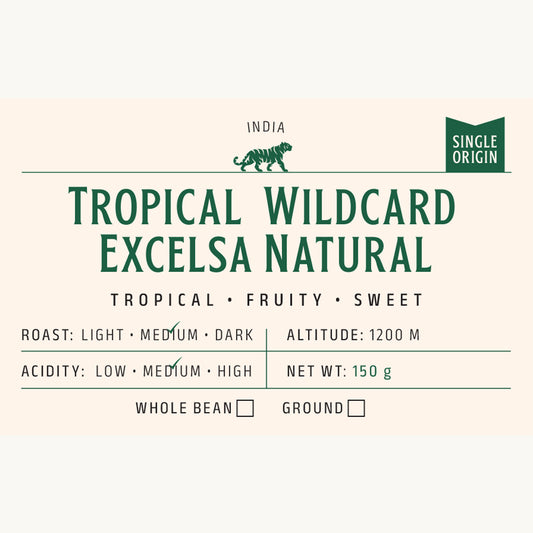
Tropical Wildcard - Excelsa Natural (Medium Roast)
Regular price
Rs. 999.00
Sale price
Rs. 999.00
Regular price
Rs. 1,150.00
Unit price
Rs. 6.66
per
g
13% OFF
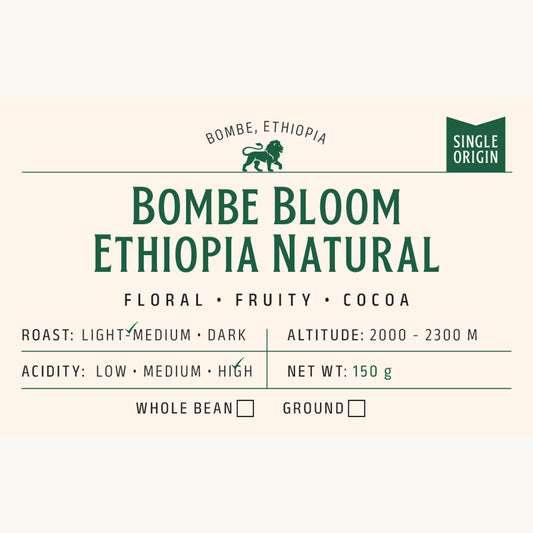
Bombe Bloom - Ethiopia Natural (Light - Medium Roast)
Regular price
Rs. 1,799.00
Sale price
Rs. 1,799.00
Regular price
Rs. 2,000.00
Unit price
per
10% OFF
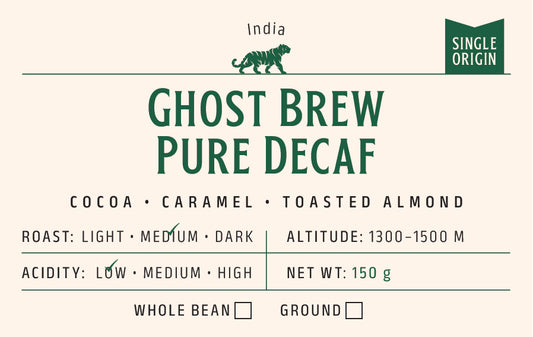
Ghost Brew - Pure Decaf I Chemical-Free SCFE I (Medium Roast)
Regular price
Rs. 749.00
Sale price
Rs. 749.00
Regular price
Rs. 850.00
Unit price
Rs. 4.99
per
g
11% OFF
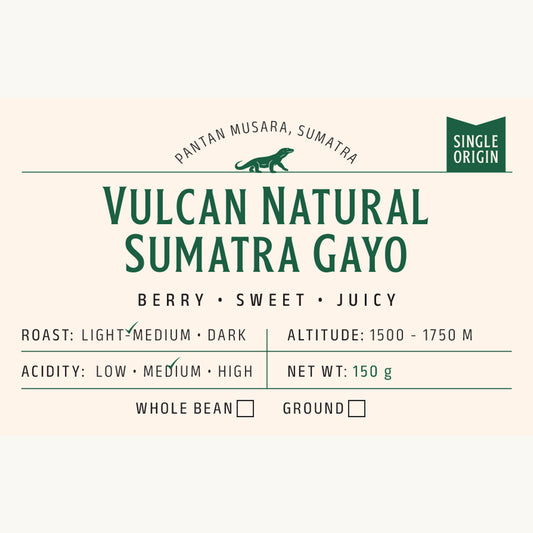
Vulcan Natural - Sumatra Gayo (Light - Medium Roast)
Regular price
Rs. 1,799.00
Sale price
Rs. 1,799.00
Regular price
Rs. 2,000.00
Unit price
per
10% OFF

Master the Art of Coffee Brewing
Discover professional brewing techniques with our step-by-step guides. From bean selection to the perfect pour, elevate your coffee experience.